 Business License

RM3100-The application of sensors in robot vacuum cleaners
When it comes to the word "laziness", I'm afraid we are most likely to think of negative things associated with it. However, it must be said that sometimes these ideas stemming from "laziness" can often bring unexpected changes to life. After all, it is human nature to pursue a more comfortable lifestyle, and the emergence of smart sweeping robots seems to confirm this. A smart sweeping robot is an intelligent home appliance that can independently and autonomously clean the floor and has certain interactive functions. It can rely on a positioning and perception system composed of sensors, driven by a stepper motor, to conduct a comprehensive cleaning of a specially furnished room.
Upon reviewing various models of robotic vacuum cleaners, it is not difficult to observe that there is no significant difference in their cleaning methods, nor is there a notable disparity in the cleanliness achieved. The real distinctions lie in cleaning efficiency, path planning, and room coverage, all of which are intricately linked to the establishment of a well-designed and comprehensive sensor system. Among these, infrared sensors, ultrasonic sensors, encoders, and geomagnetic sensors are the most prevalent. In the following, we will explore the respective roles these sensors play in robotic vacuum cleaners and the associated functionalities they support.
To better complete the cleaning task, a robotic vacuum cleaner must be able to acquire information about its own position and the surrounding environment. Given the various items arranged in the room where the robot operates, detecting and avoiding obstacles is an essential function. Generally, robotic vacuum cleaners use multiple infrared sensors installed at different locations to "detect" obstacles on the travel path and avoid collisions. At the same time, with the help of encoders, they accurately control the stepper motor to bring the robotic vacuum cleaner to a suitable range away from obstacles, so as to ensure uninterrupted cleaning. To achieve comprehensive and no-dead-angle coverage, ultrasonic sensors are also needed to carefully detect the outline and surrounding layout of obstacles, providing a basis for the robot to adjust its path direction.
During the cleaning process, most intelligent robotic vacuum cleaners can automatically adjust their travel routes based on the indoor layout to enhance work efficiency. This process relies heavily on precise orientation measurement. Without accurate heading guidance, significant deviations from the intended route are inevitable. By measuring the magnetic field (of the Earth) using a geomagnetic sensor, the robotic vacuum cleaner obtains directional reference, ensuring consistency between the actual and preset route directions.

Contact Us
Recommended Products
-
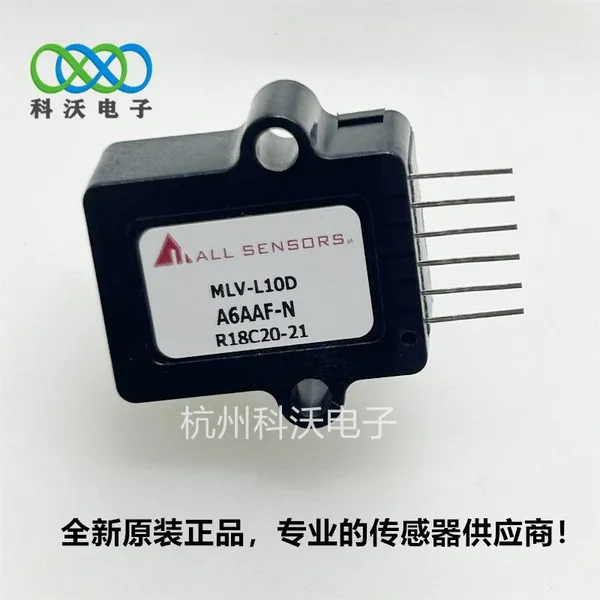
 MLV-L05D-A6AAF-N Pressure Sensor, All SensorsUS$ 42 - 45MOQ: 1 Unit
 -
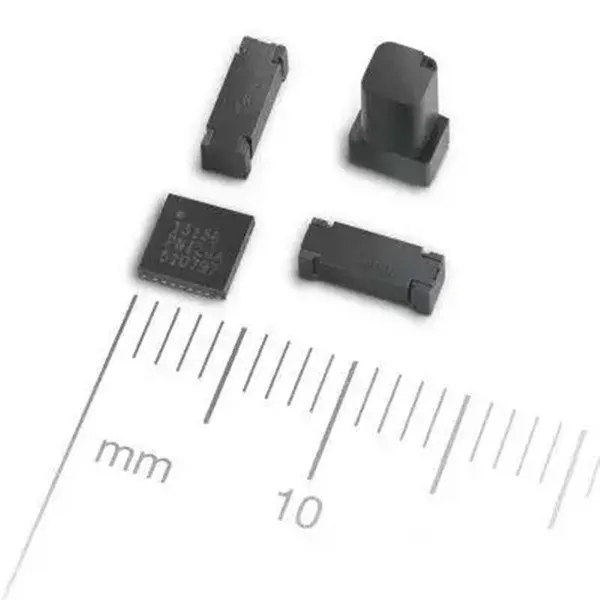
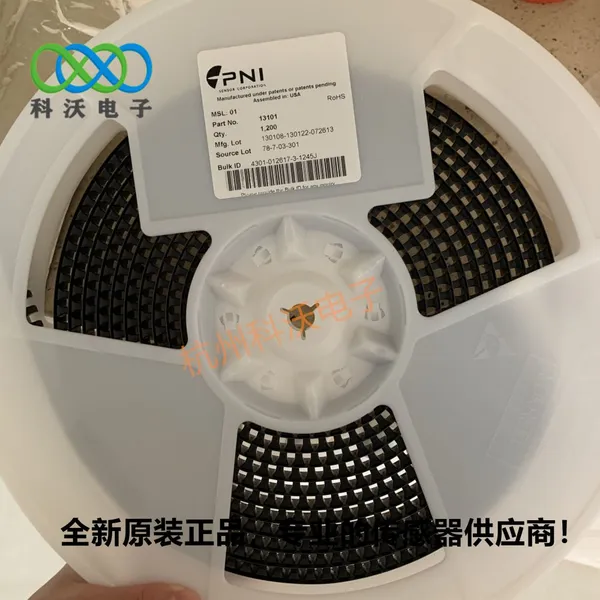
PN13101 PNI13101 SEN-Z PNI SensorUS$ 2.5 - 3.5MOQ: 1 Piece
-
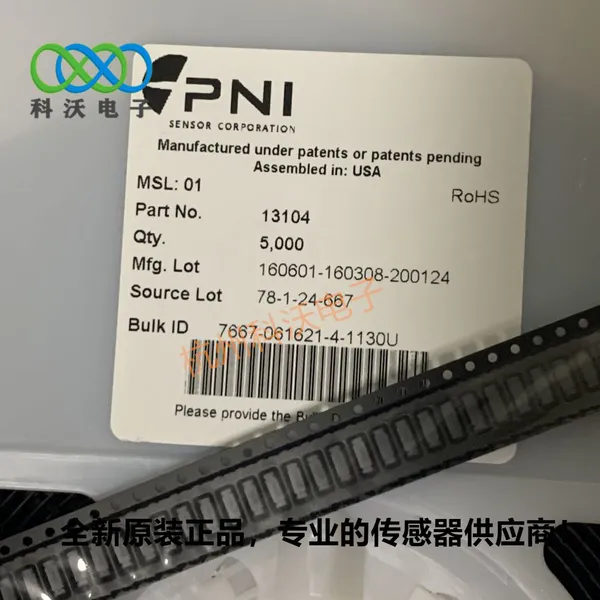
PN13104 PNI13104 SEN-XY-F PNI SensorUS$ 2.3 - 3MOQ: 1 Piece
-
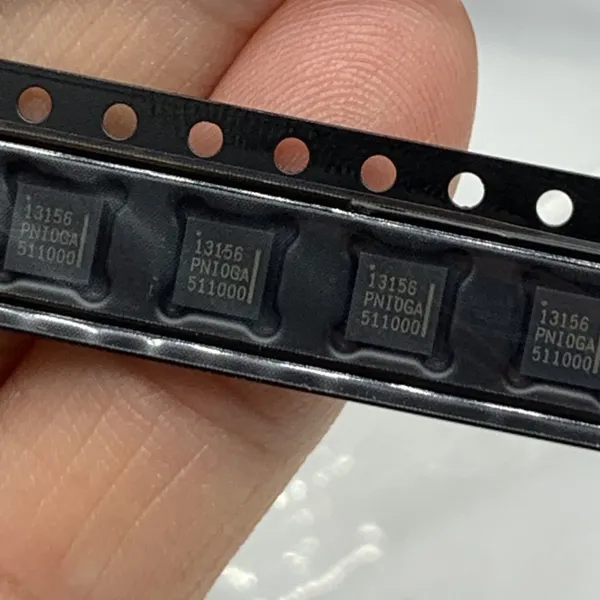
PN13156 PNI13156 MagI2c PNI SensorUS$ 4.5 - 5.5MOQ: 1 Piece
-
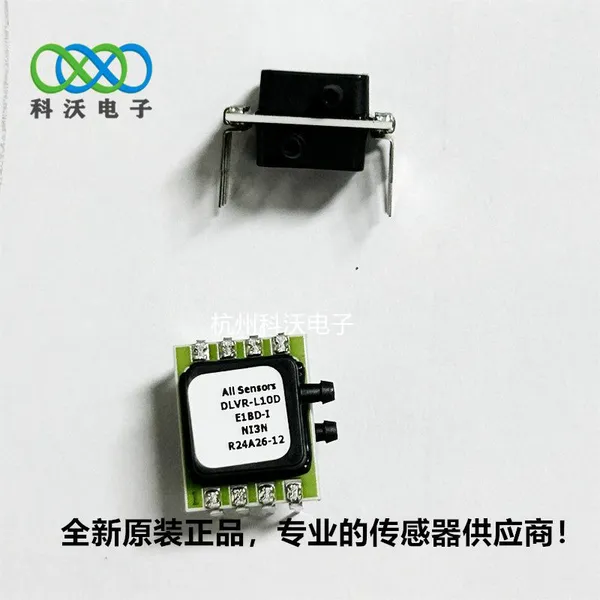
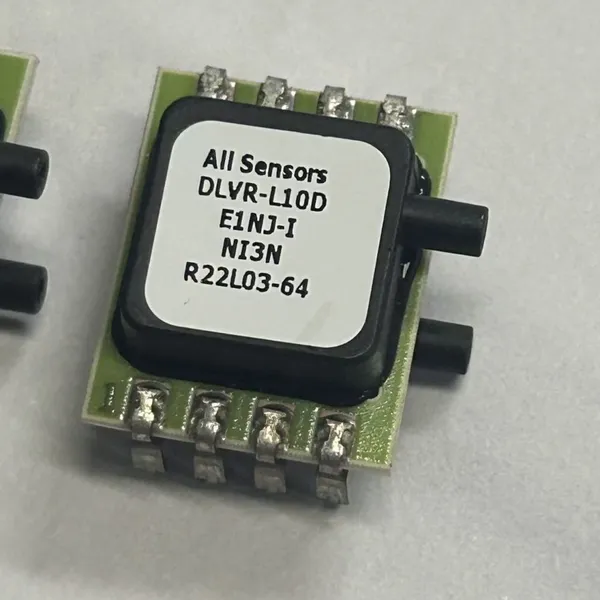
DLVR-L10D-E1NJ-I-NI3N Pressure Sensor, All SensorsUS$ 39 - 42MOQ: 1 Unit
-
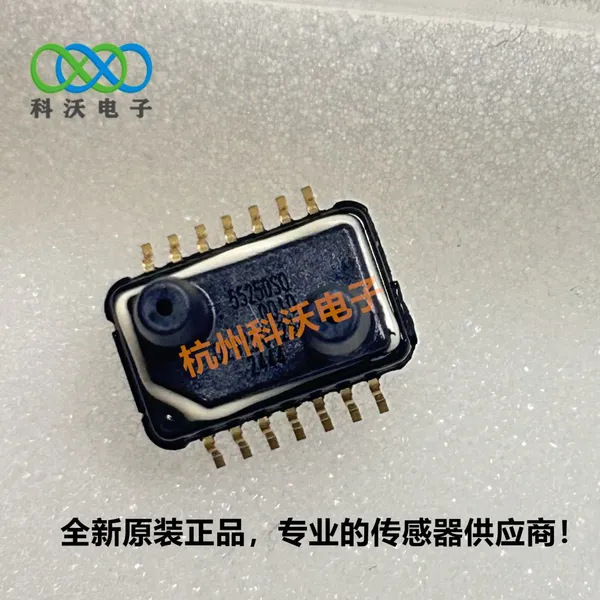
MS5525DSO-DB001DS Digital Output Pressure SensorUS$ 20 - 21MOQ: 1 Piece
-
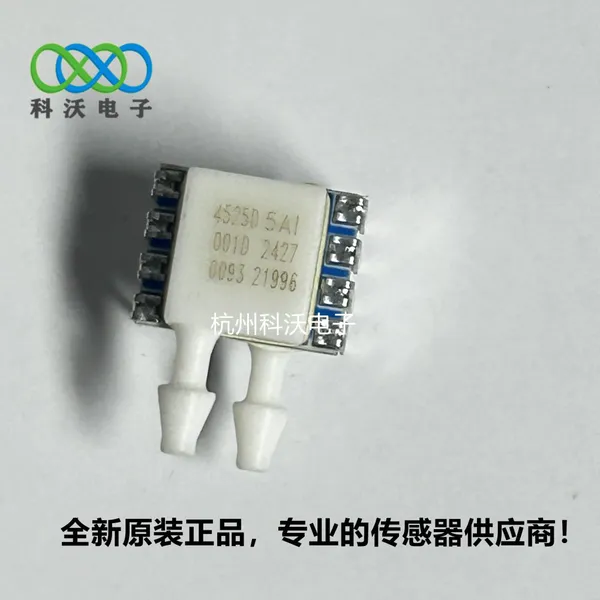
MS4525DO-DS5AI001DP Digital Output Pressure SensorUS$ 20 - 21MOQ: 1 Piece
-
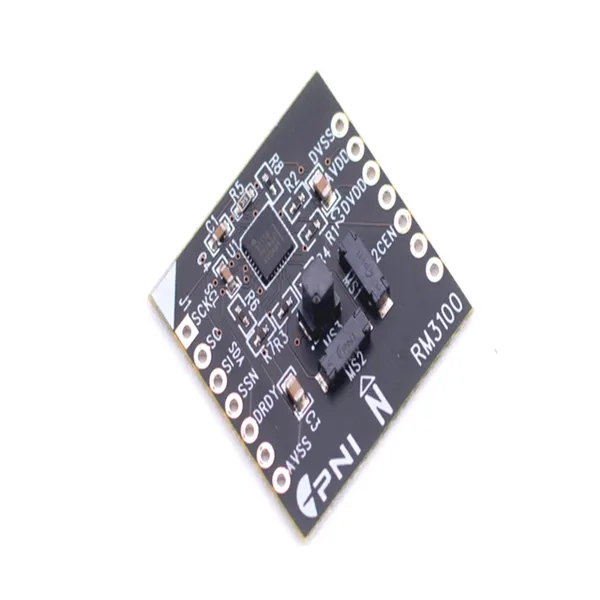
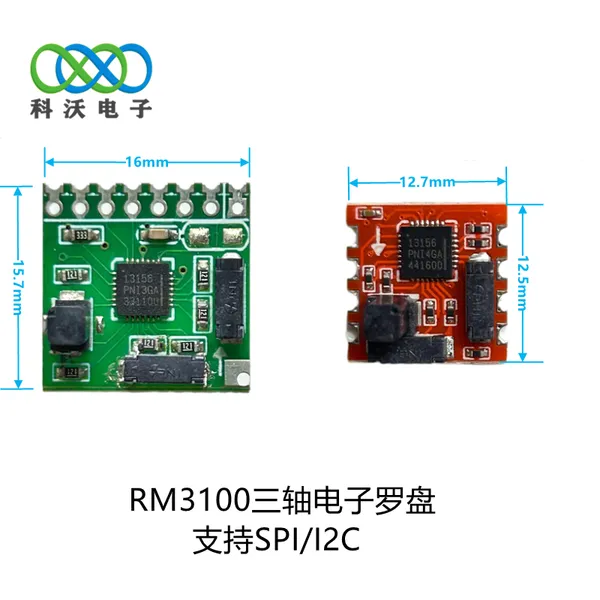
RM3100 Evaluation Board SPI I2C Compatible With Three-axis Electronic Compass ModuleUS$ 42 - 50MOQ: 1 Piece
-
RM3100 BOARD Development Board, Testing BoardUS$ 18.5 - 21MOQ: 1 Piece
-
RM3100 Set,PN13156+PN13101+PN13104 PNI SensorUS$ 7.8 - 10MOQ: 1 Set